
AI: Artificial intelligence
Created:
Updated:
Categories: AI: Artificial intelligence
Author: Tobias Schottstädt
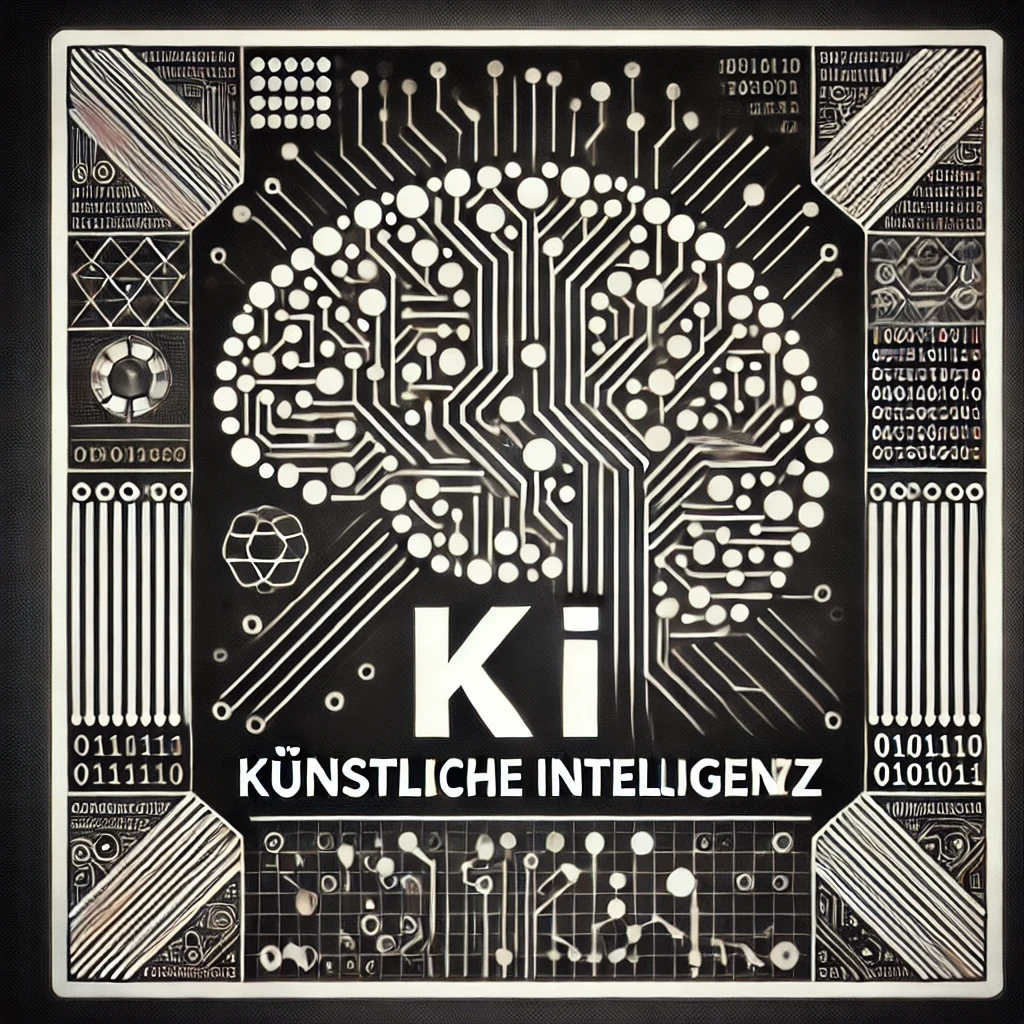
Artificial intelligence (AI) is an interdisciplinary field that deals with the development of systems and technologies that are capable of performing tasks that normally require human intelligence. These systems are developed to learn, plan, recognise, understand and make decisions.
Table of contents:
- Introduction to artificial intelligence
- Machine learning and neural networks
- Deep Learning
- Automation and AI
- Data analysis and AI
- Algorithm and AI
- Natural language processing
- Computer vision
- AI in robotics
- Conclusion
II. Machine learning and neural networks
Machine learning is a branch of AI that uses algorithms and techniques to enable systems to learn automatically from data without being explicitly programmed. Neural networks are an example of such algorithms, which are inspired by the structure of the human brain and are able to recognise complex patterns in data.
<
III. deep learning
Deep learning is a special type of machine learning based on artificial neural networks with many layers („deep“ networks). This technique has helped to achieve impressive advances in areas such as image and speech recognition.<
IV. Automation and AI
<
Automation is a key use case for AI technologies. Companies use AI to automate processes that used to require manual intervention. This leads to efficiency gains and cost savings.
V. Data analysis and AI
<
Data analysis is an essential component of AI applications. AI systems can analyse large amounts of data, recognise patterns and gain insights that are valuable for companies and organisations.
<
VI. algorithm and AI
Algorithms are at the heart of many AI applications. They enable systems to process data, identify patterns and make predictions. Advanced algorithms are continuously improving the performance of AI systems.
<
VII. Natural language processing
Natural language processing (NLP) enables computers to understand, interpret and generate human language. NLP technologies are used in applications such as virtual assistants, chatbots and translation programmes.
<
VIII. computer vision
<
Computer vision deals with the visual analysis and interpretation of images and videos by computers. AI systems that use computer vision can recognise objects, understand scenes and process visual information.
<
IX. AI in robotics
AI plays a crucial role in robotics by helping robots to perceive their environment, navigate and perform tasks autonomously. Advances in AI have led to a new era of robots that can be used in a variety of applications.
<
X. Conclusion
<
Artificial intelligence is a transformative technology that is fundamentally changing the way organisations work and how we interact with technology. With advances in areas such as machine learning, automation and data analytics, AI will continue to create new opportunities and challenges that impact organisations on a global scale. It is crucial that companies recognise the potential of AI and use it responsibly to achieve sustainable success.

Author
Hey 👋 my name is Tobias Schottstädt and I am a full-stack developer from Kassel, Germany. As a ki specialist from Kassel I may be able to support you in your project. Planning a project or looking to modernise your existing website? Take a look at my services or drop me a line – I look forward to hearing from you! About me | Contact
I build custom websites and web applications with PHP and JavaScript – with Laravel, Livewire and Vue.js at the heart of my stack. From a well-designed backend to a clean, responsive frontend and technical SEO, you get everything from a single source. What drives me: software that not only works today, but is still a joy to maintain five years from now.